

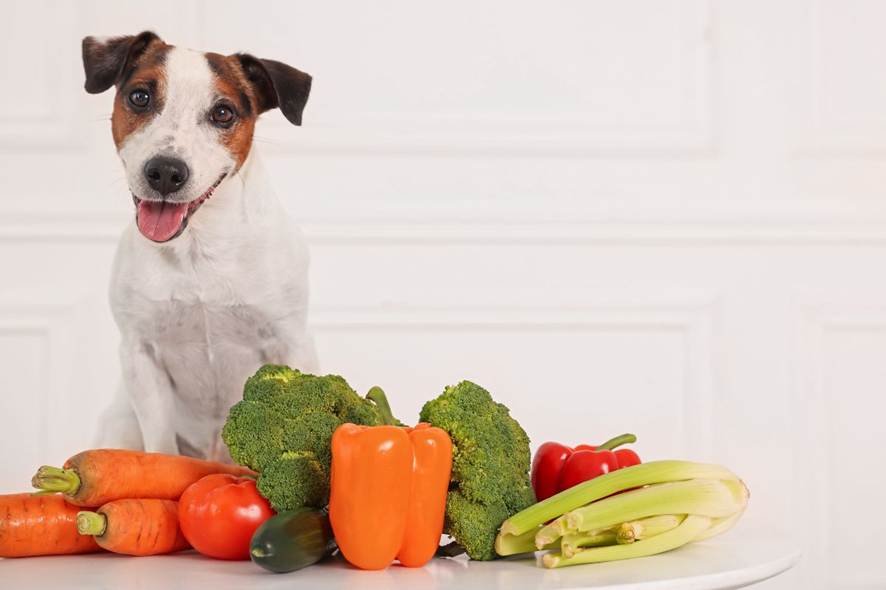
Puppies need balanced nutrition to support rapid growth, strong bones, healthy muscles, brain development, and a strong immune system. While a complete and balanced puppy food should provide most of the nutrients a growing dog needs, small amounts of appropriate fruits and vegetables can be useful additions to a puppy’s diet. When introduced carefully, they can provide fiber, vitamins, minerals, water, and variety.
This is particularly important when raising German Shepherd puppies, which grow quickly and can be prone to developmental orthopedic problems if their diet is poorly balanced. German Shepherd puppies should receive a nutritionally complete food formulated specifically for growth, ideally one appropriate for large-breed puppies. Fruits and vegetables should remain treats or supplements, not replacements for the main diet.
Understanding the Nutritional Needs of German Shepherd Puppies
German Shepherds are large, athletic dogs that experience substantial physical development during puppyhood. Their nutritional needs differ from those of adult dogs because puppies need nutrients to build tissues and develop their skeletal system.
A high-quality puppy diet should provide appropriate amounts of protein, fat, carbohydrates, vitamins, minerals, and essential fatty acids. Calcium and phosphorus are especially important because they contribute to bone development. However, adding minerals or supplements without veterinary guidance can be harmful, especially for large-breed puppies.
The safest approach is to choose a complete and balanced puppy food designed for large-breed growth and then use fruits and vegetables in small quantities. Treats and extras should not displace too much of the puppy’s nutritionally balanced food.
German Shepherd puppies also benefit from consistent feeding routines. Depending on age and individual needs, puppies are generally fed several small meals throughout the day. Base portion sizes on the puppy’s age, body condition, growth rate, and the feeding recommendations for the selected puppy food.
Why Introduce Fruits and Vegetables?
Fruits and vegetables can add variety to a puppy’s meals and provide naturally occurring nutrients. Some vegetables contain useful fiber, while fruits provide water and natural antioxidants.
For example, carrots provide beta-carotene and fiber, while cucumber has a high water content. Pumpkin can be a good source of fiber, and small pieces of apple can provide a crunchy treat when you remove the seeds and core.
However, fruits and vegetables aren't essential if a puppy already receives a complete, balanced diet. Their main role is to provide occasional variety and low-calorie treats.
Another benefit is enrichment. Puppies are naturally curious and often enjoy exploring new textures and flavors. Carefully introducing safe foods can make feeding more interesting while helping owners learn which foods their puppies tolerate well.
Safe Fruits for Puppies
Puppies can have several fruits in small portions.
Apples
Apples can be a suitable occasional treat. They contain fiber and several vitamins. Before giving apples to a puppy, remove the core and seeds and cut the fruit into small pieces. Large pieces can create a choking hazard, especially for young puppies.
Because apples contain natural sugar, keep portions modest.
Bananas
Bananas are soft and easy to portion. They contain potassium and other nutrients, but they are relatively high in carbohydrates and natural sugar. Offer a few small pieces as an occasional treat.
For a young German Shepherd puppy, a small amount is preferable to an entire banana.
Blueberries
Blueberries are small and contain naturally occurring antioxidants. Offer them individually or mix them into a puppy’s normal food in small quantities.
Their small size makes them convenient, although puppies should still be supervised when trying any new food.
Strawberries
Strawberries can also be offered occasionally after washing and cutting them into appropriately sized pieces. Their natural sweetness makes them appealing to many dogs.
Owners should introduce them gradually rather than giving a large serving the first time.
Watermelon
Watermelon contains a lot of water and can be a refreshing occasional treat. Remove the seeds and rind before serving. Cut the flesh into small pieces that are easy for the puppy to chew.
Because watermelon contains sugar, it should not become a major part of the diet.
Pears
Pears can provide fiber and moisture. As with apples, remove the seeds and core and cut the fruit into small pieces.
Safe Vegetables for Puppies
Vegetables can be particularly useful because many contain fewer calories than traditional treats.
Carrots
Carrots are among the simplest vegetables to introduce. Serve them raw in appropriately small pieces or cooked until soft. Young puppies may find softer cooked vegetables easier to chew. You can also use carrots as occasional training rewards.
Pumpkin
Plain cooked pumpkin provides fiber and may be a useful small dietary addition. It should be plain rather than prepared with sugar, spices, butter, or other ingredients.
Canned pumpkin should contain pumpkin only and should not be confused with sweetened or spiced pie filling.
Green Beans
Plain cooked or appropriately prepared green beans can be offered in small pieces. They provide fiber and can add variety without contributing large amounts of calories.
Cucumber
Cucumber contains a lot of water and can be a light treat. Cut it into small pieces to reduce choking risk.
Sweet Potato
Plain cooked sweet potatoes can be given in small amounts. They contain carbohydrates, fiber, and several micronutrients. Cook and serve it without butter, salt, sugar, spices, or sauces.
Peas
Plain cooked peas can occasionally be included in small amounts. They should not replace a balanced puppy diet.
Foods That Puppies Should Avoid
Introducing new foods also means knowing what not to offer. Some foods that are harmless to people can be dangerous for dogs.
Never intentionally feed grapes and raisins to dogs, because they can cause serious kidney problems in some dogs. The exact toxic dose is unpredictable.
Onions, garlic, leeks, and related members of the allium family can damage red blood cells and should be avoided.
Chocolate and cocoa-containing products are also dangerous. The risk depends partly on the type and amount consumed and the dog's size.
Generally avoid avocado as a puppy treat, especially because of the pit and high fat content. Macadamia nuts are also toxic to dogs.
Do not give fruit seeds, pits, or stones to puppies. Apart from potential toxicity, they can cause choking or intestinal obstruction.
Owners should also avoid giving puppies foods containing artificial sweeteners such as xylitol, which can cause life-threatening poisoning in dogs.
How to Introduce a New Food
The best way to introduce a new fruit or vegetable is to do it slowly. Puppies have sensitive digestive systems, and suddenly adding many unfamiliar foods can cause diarrhea, vomiting, gas, or abdominal discomfort.
Start with a very small amount of one food. For example, a puppy could receive one or two tiny pieces of carrot. Observe the puppy over the following day for digestive changes.
If there are no problems, you can occasionally offer the food again in a slightly larger but still modest portion.
Introducing only one new food at a time is helpful because it makes it easier to identify the cause of a reaction. If you introduce several new foods at once and the puppy develops diarrhea, it becomes difficult to determine which food caused the problem.
Portion Control Is Especially Important
Fruits and vegetables should complement a puppy's normal diet rather than becoming a major source of calories.
A useful general principle is that treats and other foods outside the complete diet should make up only a small proportion of daily calorie intake. This is particularly important for German Shepherd puppies because controlled growth is desirable.
Overfeeding can contribute to excessive weight gain, while an unbalanced diet can interfere with healthy development. Owners should therefore avoid creating homemade diets around fruits and vegetables unless a veterinarian-nutritionist formulates them.
A puppy that receives several treats during training should count those calories as part of its overall daily intake.
Raw or Cooked?
Whether a fruit or vegetable should be raw or cooked depends on the food and the puppy.
Some puppies tolerate raw vegetables well, while others may digest cooked vegetables more easily. Cooking certain vegetables until soft can make them easier for a young puppy to chew.
Avoid adding salt, spices, butter, oils, sauces, sugar, or other flavorings. Puppies do not need these additions, and some ingredients can be harmful.
Prepare food in a way that minimizes choking risk. Cutting hard foods into small, manageable pieces is particularly important for young puppies.
Using Fruits and Vegetables During Training
German Shepherd puppies are intelligent and often highly responsive to training. Food rewards can be useful when teaching basic behaviors such as sitting, coming when called, walking calmly, and responding to their name.
You can sometimes use small pieces of safe vegetables or fruit as training rewards. Carrot, cucumber, or tiny pieces of apple may work for some puppies.
However, every puppy has different preferences. Some may get excited about a blueberry, while another may ignore it completely.
The most important factor is portion size. Training can involve many repetitions, so treats should be tiny. Large pieces can quickly add excessive calories.
Owners can also use part of the puppy's normal daily food allowance as training rewards to help maintain nutritional balance.
Watching for Allergies and Digestive Problems
Although many fruits and vegetables are safe for dogs, individual puppies can react differently. Food intolerance may cause symptoms such as loose stools, vomiting, excessive gas, or changes in appetite.
Allergic reactions can involve skin irritation, itching, swelling, or gastrointestinal symptoms. Difficulty breathing, facial swelling, collapse, or severe vomiting requires urgent veterinary attention.
If a puppy develops repeated digestive problems after eating a particular food, stop offering that food and discuss the symptoms with a veterinarian.
Also, distinguish between a mild digestive upset and a medical emergency. Puppies can become dehydrated quickly with persistent vomiting or diarrhea.
German Shepherd Puppies and Healthy Growth
Nutrition is only one part of raising a healthy German Shepherd. Exercise, sleep, veterinary care, parasite prevention, vaccinations, socialization, and appropriate training are equally important.
Because German Shepherd puppies grow into large dogs, owners should pay close attention to body condition rather than trying to make the puppy grow as quickly as possible. A puppy that is constantly overfed may gain weight faster than its developing skeleton can comfortably support.
Regular veterinary examinations provide an opportunity to monitor growth and discuss feeding. A veterinarian can help determine whether the puppy is maintaining an appropriate body condition and whether its food
Conclusion
Introducing fruits and vegetables can be a positive part of raising a healthy puppy when done thoughtfully. Safe foods such as carrots, plain pumpkin, green beans, cucumber, blueberries, strawberries, apples without seeds and core, and small portions of banana can provide variety and make useful occasional treats.
For German Shepherd puppies, however, the foundation of nutrition should always be a complete and balanced diet appropriate for large-breed growth. Because these puppies develop rapidly, excessive calories or inappropriate supplementation can interfere with healthy development.
Introduce new foods one at a time and in small portions. Owners should watch for digestive problems or signs of an adverse reaction and avoid toxic foods such as grapes, raisins, onions, garlic, chocolate, macadamia nuts, and products containing xylitol.