

30-Second Summary
- Pet-friendly home security solutions combine smart technology with animal-friendly features to protect homes while keeping pets comfortable. Smart cameras, AI-based motion sensors, controlled pet doors, environmental monitors, and mobile apps allow owners to watch over their animals from anywhere.
- These systems reduce false alarms, improve emergency response, and create a safer environment for pets and families.
- With modern security technology, homeowners can enjoy protection without disrupting their pets’ daily lives.
Modern homeowners are increasingly looking for security solutions that protect not only their property and family members but also their beloved pets. Dogs, cats, birds, and other household animals are important members of many families, and traditional security systems are not always designed with their needs in mind. A security camera that constantly triggers alarms because of a playful pet, or a monitoring system that cannot distinguish between a person and an animal, can create unnecessary stress for both homeowners and pets.
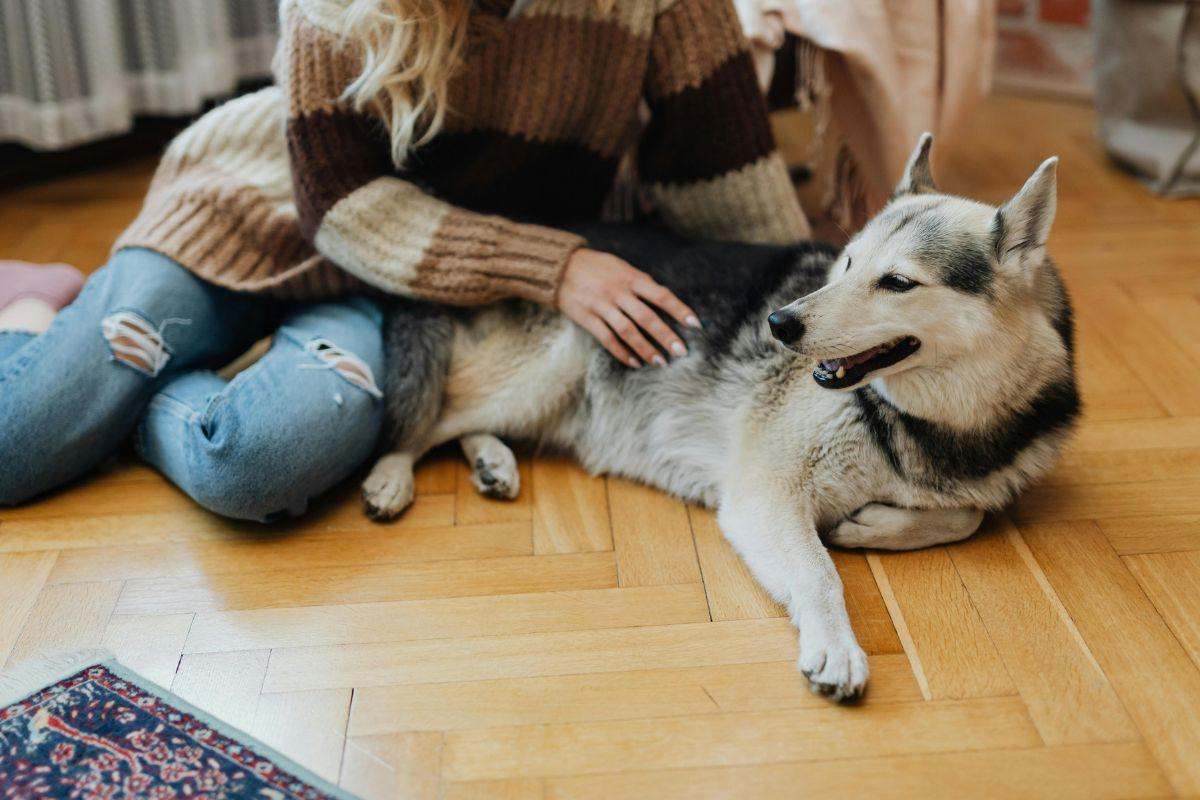
Pet-friendly home security solutions are designed to provide reliable protection while ensuring that animals can move freely and comfortably around the house. These systems combine smart technology, motion detection, video monitoring, automation, and safety features to create a secure environment without causing fear or discomfort for pets.
Whether you are away at work, travelling, or simply want peace of mind while sleeping, the right pet-friendly security setup can help you monitor your home and care for your animals at the same time.
Understanding Pet-Friendly Home Security Systems
A pet-friendly security system is specifically designed to work around animals without creating frequent false alarms or disturbing their daily routines. Traditional motion sensors often detect movement from pets as potential threats, which may lead to repeated alerts. Modern systems use advanced technology such as artificial intelligence (AI), adjustable sensitivity settings, and smart recognition features to identify whether movement comes from a person or an animal.
For example, many smart security cameras can recognize smaller movements caused by cats walking across a room or dogs moving around the house. Instead of sending an emergency alert every time a pet moves, the system can focus on unusual activities, such as an unknown person entering the property.
The goal of pet-friendly security is balance. It should provide strong protection while allowing pets to play, sleep, eat, and explore without unnecessary restrictions.
Smart Security Cameras for Pet Monitoring
One of the most useful components of a pet-friendly home security system is a smart indoor camera. These cameras allow owners to check on their pets remotely through smartphones, tablets, or computers. Many models provide live video streaming, two-way audio communication, night vision, and motion alerts.
Pet monitoring cameras are especially helpful for owners who spend long hours outside the home. A quick look at a live camera feed can confirm that a dog is resting safely, a cat has access to food and water, or a pet is not showing signs of distress.
Some advanced cameras include features such as:
- AI-powered movement detection
- Sound recognition
- Automatic recording
- Treat dispensing systems
- Two-way voice communication
- Activity tracking
These features allow owners to interact with their pets even when they are away.
Some homeowners also use devices commonly referred to as spy cams for monitoring purposes, although dedicated pet cameras are usually a better option because they are designed with pet safety, privacy, and user-friendly features in mind.
Motion Sensors Designed for Homes With Pets
Motion sensors are an important part of any security system, but traditional sensors can create problems in homes with animals. A pet walking through a room may accidentally trigger an alarm, causing frustration and unnecessary notifications.
Pet-friendly motion sensors solve this problem by using improved detection methods. Many sensors allow homeowners to adjust sensitivity levels or set weight-based detection limits. For example, a sensor may ignore movement from animals below a certain size while still detecting human activity.
Some advanced systems use infrared technology and artificial intelligence to analyse movement patterns. Instead of simply detecting motion, they can determine whether the movement resembles a human entering the home.
This reduces false alarms and makes the security system more reliable.
Smart Door Locks and Pet Safety
Doors are one of the most important security points in any home. Smart door locks provide homeowners with additional control over who can enter their property. These systems can be especially useful for pet owners who rely on walkers, sitters, or family members to care for their animals.
Smart locks may include features such as:
- Keyless entry
- Temporary access codes
- Remote locking and unlocking
- Entry notifications
- Integration with security cameras
For example, a pet sitter can receive a temporary access code that works only during scheduled hours. The homeowner can receive an alert when the person enters or leaves.
This improves security while making pet care easier and more convenient.
Smart Pet Doors and Controlled Access
Traditional pet doors allow animals to move freely between indoor and outdoor spaces, but they can also create security risks. An unlocked pet door may allow unwanted animals or even intruders to access the home.
Smart pet doors provide a safer alternative. These doors use technology such as microchips, RFID tags, or smartphone controls to allow access only to approved pets.
Benefits of smart pet doors include:
- Preventing unknown animals from entering
- Controlling outdoor access
- Tracking pet movements
- Improving energy efficiency
- Increasing home security
Some advanced models can connect with home security systems and send notifications whenever a pet enters or exits.
Remote Pet Monitoring and Mobile Security Apps
Mobile apps have transformed the way homeowners manage security systems. Instead of depending only on alarms or physical monitoring devices, users can control their homes from almost anywhere.
Pet-friendly security apps allow owners to:
- View live camera footage
- Receive activity alerts
- Speak to pets through cameras
- Lock doors remotely
- Adjust security settings
- Monitor environmental conditions
For pet owners, this technology provides reassurance. If a dog starts barking excessively or a cat knocks something over, an owner can check what is happening and respond quickly.
Remote monitoring is particularly valuable during emergencies. If a pet becomes trapped, injured, or experiences a problem while alone, immediate awareness can help prevent serious situations.
Environmental Monitoring for Pet Safety
Home security is not only about preventing unwanted visitors. A truly pet-friendly security system should also protect animals from environmental dangers.
Smart environmental sensors can monitor conditions such as:
- Temperature
- Humidity
- Smoke
- Carbon monoxide levels
- Water leaks
Pets can be vulnerable to extreme temperatures, especially when left alone indoors. A smart temperature sensor can notify owners if the home becomes too hot or too cold.
Smoke and carbon monoxide detectors are also essential because animals may be affected by dangerous conditions before humans notice warning signs.
Integrating environmental monitoring into a security system creates a safer living environment for both pets and people.
Choosing Pet-Friendly Outdoor Security Solutions
Outdoor security is important for homes with pets, especially for families with dogs that spend time in gardens or yards. Outdoor cameras, smart lighting, and secure fencing solutions can help prevent pets from escaping and discourage unwanted visitors.
Outdoor cameras should have features such as:
- Weather resistance
- Night vision
- Wide viewing angles
- Motion detection zones
- Smartphone alerts
Customising motion zones is particularly useful. For example, homeowners can exclude areas where pets frequently play while keeping important areas monitored.
Smart outdoor lighting can also improve safety by automatically illuminating areas when movement is detected.
Reducing Pet Stress Through Better Security Design
A security system should protect pets without creating fear or anxiety. Loud alarms, flashing lights, and constant alerts may disturb animals, especially those that are sensitive to noise.
When installing a security system, homeowners should consider:
- Placing cameras where pets are comfortable
- Avoiding unnecessary alarm sounds
- Using silent notifications when possible
- Testing devices before leaving pets alone
- Creating safe spaces for animals
Security technology should support pet wellbeing rather than interfere with it.
A calm pet is often a healthier and happier pet, and thoughtful security planning can make a major difference.
Integrating Security Systems With Smart Home Technology
Many pet-friendly security solutions can connect with wider smart home systems. Integration allows multiple devices to work together automatically.
For example:
- Cameras can activate when motion is detected
- Lights can turn on when unusual activity occurs
- Doors can lock automatically at night
- Temperature settings can adjust based on conditions
- Alerts can be sent directly to a smartphone
Smart home integration creates a complete safety network rather than relying on individual devices.
Voice assistants and automation platforms can also make controlling these systems easier for homeowners.
The Importance of Reliable Installation and Maintenance
Even the most advanced security equipment will not work properly without correct installation and regular maintenance.
Pet owners should regularly check:
- Camera positioning
- Battery levels
- Internet connection
- Sensor accuracy
- Software updates
- Alarm settings
Cameras should provide clear views of important areas without invading pets’ comfort zones. Sensors should be tested to ensure they are correctly ignoring normal pet activity while detecting genuine threats.
Regular maintenance ensures that the system remains dependable when it is needed most.
Benefits of Investing in Pet-Friendly Home Security
Investing in a pet-friendly security system provides several advantages:
Peace of Mind
The biggest benefit is knowing that pets are safe when owners are away. Remote access allows people to check on animals anytime.
Better Emergency Response
Alerts about unusual activity, temperature changes, or hazards allow owners to act quickly.
Reduced False Alarms
Smart detection technology prevents pets from constantly triggering security alerts.
Improved Pet Care
Monitoring tools help owners understand their pets’ behaviour and routines.
Increased Home Protection
A pet-friendly system still provides strong protection against theft, intrusion, and emergencies.
Future Trends in Pet-Friendly Security Technology
The future of pet-friendly home security is likely to include even smarter solutions. Artificial intelligence will continue improving the ability of devices to understand animal behaviour.
Future systems may include:
- Advanced pet health monitoring
- AI behaviour analysis
- Automated feeding and care systems
- More accurate facial recognition
- Predictive safety alerts
As technology develops, security systems will become more personalised, helping homeowners protect their properties while improving the lives of their pets.
Conclusion
Pet-friendly home security solutions provide a practical way to protect homes while caring for animals. From smart cameras and intelligent motion sensors to controlled pet doors and environmental monitoring, modern technology allows homeowners to create safer spaces without limiting their pets’ freedom.
The best security system is one that understands the needs of both humans and animals. By choosing devices designed for pet-friendly living, homeowners can enjoy greater confidence knowing that their property and their furry companions are protected.